


Masjid Sab’ah, also known as the Mosque of the Seven, holds a significant place in Islamic history as a symbol of resilience and faith. Situated in the city of Medina, Saudi Arabia, this mosque bears witness to the early struggles and triumphs of the Muslim community.
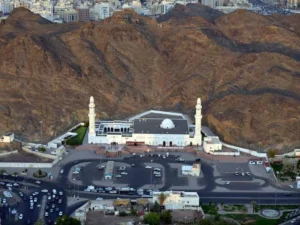
The name “Masjid Sab’ah” originates from a pivotal event during the time of the Prophet Muhammad (peace be upon him). In the year 2 AH (623 CE), seven Muslim men from the tribe of Khazraj in Medina pledged allegiance to the Prophet at a location where Masjid Sab’ah now stands. This pledge of allegiance, known as the Second Pledge of Aqabah, marked a crucial moment in the establishment of Islam in Medina.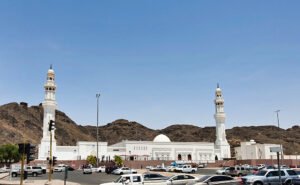
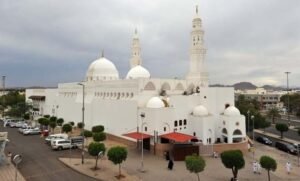
Masjid Sab’ah’s historical significance extends beyond this event. It served as a gathering place for the Prophet and his companions, where they convened to discuss matters of faith, seek guidance, and strengthen the bonds of brotherhood. The mosque’s humble structure, devoid of elaborate adornments, reflects the simplicity and sincerity of early Islamic worship.

Visiting Masjid Sab’ah offers pilgrims a unique opportunity to connect with the rich tapestry of Islamic history. Stepping into its hallowed halls, one can envision the gatherings of the Prophet and his companions, their unwavering dedication to their faith, and their profound sense of community.
Despite its modest appearance, Masjid Sab’ah holds a special place in the hearts of believers. Its significance lies not in grandeur but in the resilience and steadfastness of those who worshipped within its walls. Through trials and tribulations, the mosque stood as a beacon of hope, inspiring generations of Muslims to uphold the principles of faith and perseverance.

Today, Masjid Sab’ah stands as a living testament to the enduring legacy of Islam. Pilgrims from around the world visit this sacred site to pay homage to the Prophet and his companions, seeking blessings and spiritual enlightenment.
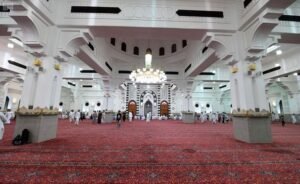
In conclusion, Masjid Sab’ah represents more than just a physical structure; it embodies the spirit of Islam’s early days—characterized by faith, unity, and unwavering commitment to God’s guidance. Its timeless significance continues to inspire believers to strive for excellence in their worship and conduct, ensuring that the legacy of the Prophet and his companions remains alive in the hearts of Muslims for generations to come.